A Wild Alaskan Company application

Find
the story.

From the first conversation to the final cut, I develop the story and lead the people who bring it to life.

Explore my films

Bruce Bracken Filmmaker · Creative producer · Story developer

Senior Content & Video Manager

The curiosity to find a story.
The experience to carry it through.

I’m a filmmaker, interviewer, and content leader. My work spans character documentary, original interview series, and the podcast program I built at Microsoft. I bring story development through research and pre-interviews, hands-on production, and experience hiring, coaching, and developing direct reports. My connection to food and the outdoors comes from restaurant kitchens, Chesapeake Bay boating and fishing, and time exploring Alaska.

01 / Selected films

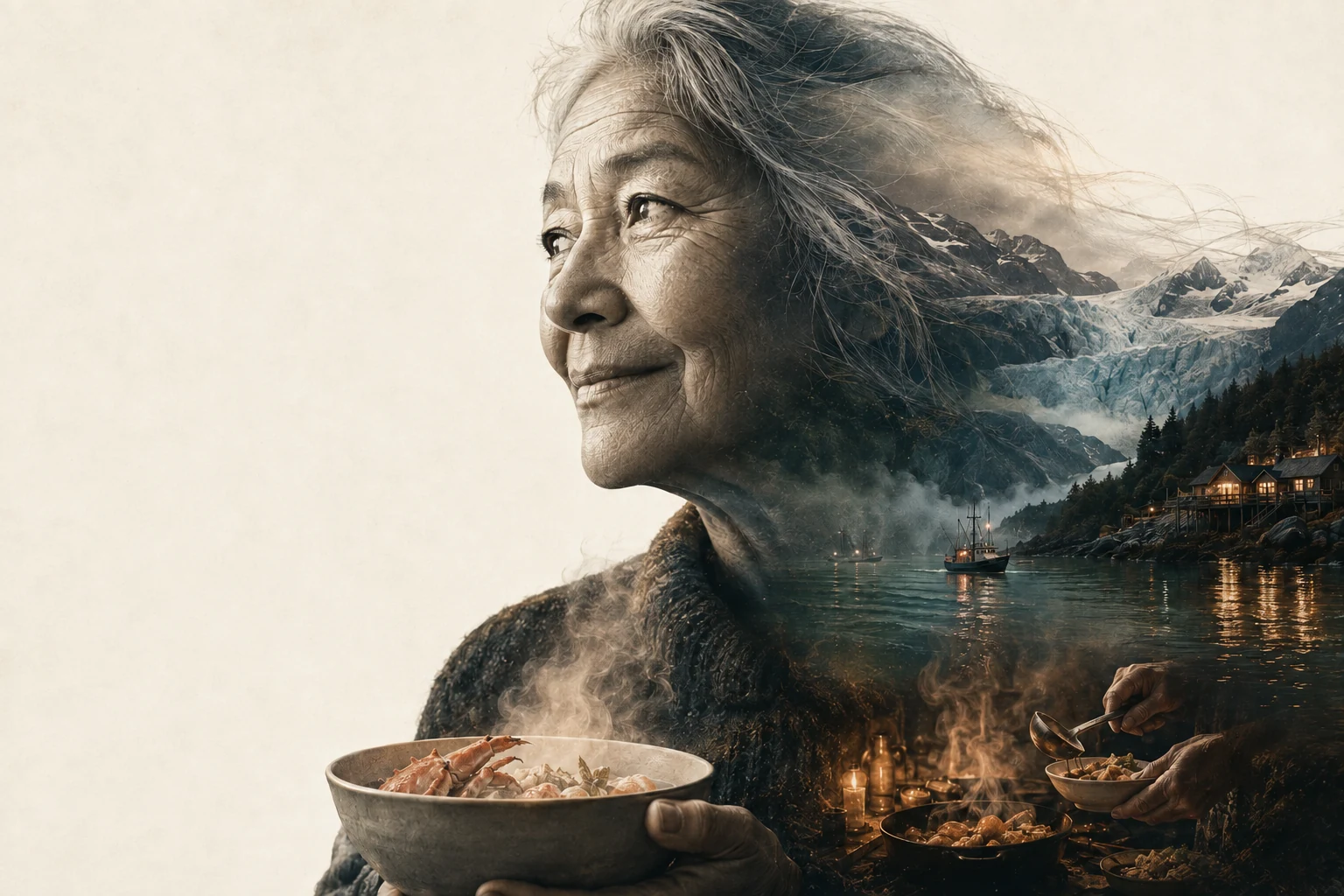
Concept illustration: a woman's portrait merges with mountains, a coastal village, and a shared seafood meal.

A person first.
A film follows.

Three selected projects.
Three ways of finding the human story.

Brand storytelling

A connection across continents

Microsoft Office · Water for Good

How everyday software supports the work of Water for Good, connecting Doug Brennan’s perspective with communities maintaining access to clean water in the Central African Republic.

My contributionCinematographer, editor, and co-writer. I filmed Doug Brennan’s interview on Microsoft’s Redmond campus and edited it with footage from the field.

Open on Vimeo

Human-centered technology

Steve Gleason

Ability Eye Gaze · Microsoft

Eye-controlled technology becomes a story about Steve Gleason’s communication, independence, and life with his family.

My contributionDeveloped the story, assembled and led the film team, and directed, shot, and edited the film in under two days.

Open on Vimeo

Character documentary

Macaire Lambate

Water for Good · Central African Republic

A portrait of Mac at work: traveling between communities, repairing wells, and helping his neighbors keep clean water flowing.

My contributionI developed the story, conducted pre-interviews, and filmed Mac.

Open on Vimeo
Explore my wider film portfolio

02 / Finding the story

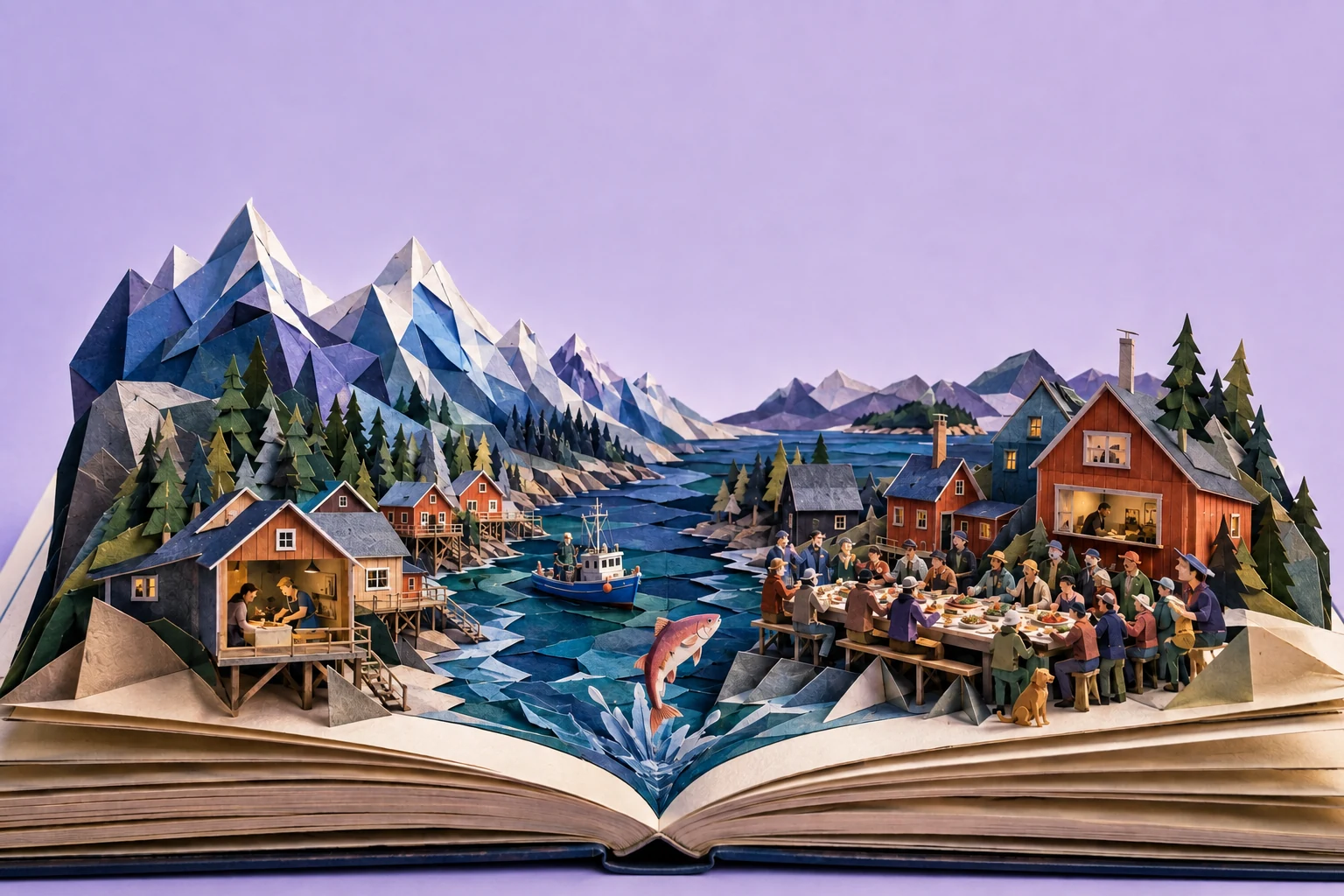
Concept illustration: an open pop-up book unfolds into an Alaskan fishing village, mountains, and neighbors sharing a meal.

Before the camera,
a conversation.

Research and pre-interviews shape the story before the shoot.

I went to the Central African Republic to find stories for Water for Good. There I met Macaire Lambate, known as Mac, who traveled between communities keeping their water wells working.

Water for Good had helped him learn a trade and build a business of his own. He could make a living, create opportunities for others, and keep clean water flowing for his neighbors. I wanted to tell the story of the man behind that work.

Learning about his livelihood and his ties to other communities made me want to follow his story over time. Our pre-interviews shaped a two-part film around his maintenance journey: get to know Mac before he left, then return to hear what had happened along the way.

Mac had become a friend. While traveling to maintain wells, he became ill from contaminated water and, too far from a hospital to get help in time, passed away before we could reunite. Losing someone who worked to bring others clean water in that way was heartbreaking.

Looking back, I wish I had spent more time with his family and community. And if time and budget allowed, I would have gone with him to film the journey itself. His relationships and his work would tell the story together.

Read Finding Mac’s story

Another conversation to explore

Message in a Bottle

Teresa Spellman Gamble · Tinte Cellars

I created Luminaries in the Dark to find people responding to the pandemic by helping others. This conversation reaches beyond a winery to the values of the woman behind it and an initiative sending handwritten letters to isolated elders. Before recording each episode, I spent time with the guest in a separate conversation, exploring the life and choices that brought them to this moment.

Listen to the conversation Read about the podcast’s development

03 / Ideas for Wild Alaskan Company

People to meet.
Stories to discover.

Three starting points, with two further possibilities in each category. These are proposed stories – the participants, access, and discoveries would come through reporting.

Concept illustration: hands repairing a fishing net in a coastal workshop.

Character

A Net Has a Handwriting

The hands a fishing community depends on.

The proposed film

In Cordova, a damaged fishing net lands on Teal’s workbench. Follow the net mender through one repair, from the fisher’s request to the moment the net changes hands again. The question is what Teal sees that the rest of us miss: a repair worth saving, a small change that matters on the water, or work that needs to be done again. As those decisions unfold, learn who taught Teal the trade and how trust with this fisher was earned. Close views of knots and hands at work give way to the people who depend on the result. We leave knowing a person whose judgment travels out to sea even when Teal stays ashore.

Inside the first film

The net on the bench

Begin with a net spread across the workshop and the fisher explaining what happened on the water. Before Teal reaches for a tool, stay with the inspection: where a practiced eye stops, the questions the fisher gets asked, the detail neither would think to explain to a visitor. One actual repair carries us through the film, with a clear practical question: what needs to change before this net goes back to work?

The person making the decisions

As Teal works, the repair opens a conversation about learning the trade. Who taught the first lesson that still matters? What mistake changed a way of working? What makes a repair good enough to put someone’s name behind it? Let those memories meet present decisions: saving a sound section, replacing worn material, checking a knot, or undoing work that has not met the standard. The fisher’s visits and calls reveal the relationship from the other side. We learn what each person trusts the other to understand.

What goes back to sea

Finish at the handover. Put the completed repair in front of the fisher and let us understand a change we could not have recognized at the beginning. The film can be made around the workshop and working waterfront; a trip aboard would add context if the fishing schedule allows. For someone who usually encounters seafood at dinner, this is an introduction to another person whose knowledge makes that meal possible. A further film could follow a different overlooked trade in the same fishing community.

A question to begin withWhich repair tells me the most about how you learned to do this work?

Two more directions

Dinner Between Sets

Follow the person responsible for feeding a fishing crew through one actual meal. Long before anyone sits down, there are preferences to remember, space to negotiate and work that may interrupt the plan. Stay with the cook's decisions, then watch the room change when people finally gather. Who talks? Who goes quiet? What does the cook notice? Later, learn how this person came to the work and which meal they most want when someone else is cooking. The finished piece should leave us knowing a character, with the food carrying part of that introduction.

A question to begin withWhat tells you what this crew needs for dinner before anyone asks?

There's Always Another Place

Find the person in an Alaskan community who keeps making room for people at a shared meal. Begin with the invitations: who do they call, who helps them remember somebody, and what makes them insist there is room? Follow one gathering through the food people contribute, the cooking, the arrivals and the washing up. Learn where the host's impulse to feed people comes from and how others return that care. If conservation matters to this person, ask what it changes in their decisions about seafood. The ending may be someone else taking over the dishes while the host finally eats.

A question to begin withWho taught you that feeding people was part of looking after them?

Concept illustration: two generations preparing a seafood dish together in a home kitchen.

Culinary

Nobody Wrote Down the Recipe

A family dish. A determined learner. A second attempt.

The proposed film

A beloved family seafood dish has never needed a recipe – until someone else tries to make it. For the first film, find a longtime cook known for a pan-cooked wild salmon dish and a younger relative who wants to learn it. Stay close to the fish as it sizzles, browns, and comes off the heat, translating instinct into cues viewers can use. On a second visit, the learner cooks for the person who taught them. With the teacher now a guest, the pauses, decisions, and tasting reveal what has been learned. At the table, ask who taught the dish to the teacher. A practical cooking lesson becomes a family story carried into another kitchen.

Inside the first film

A dish everyone asks for

The first film centers on a wild salmon dish that relatives request but nobody else quite makes the same way. Find the cook through that family reputation and pair them with a younger relative who wants to carry it on. Open in the kitchen with the fish hitting the pan and the learner trying to turn an instinctive instruction into something they can repeat. The dish gives us an immediate reason to watch, and the relationship gives us a reason to stay.

Learning what the recipe cannot say

Follow the whole preparation, including the details an experienced cook may skip when explaining it: how the fish is prepared, what the pan sounds like, what changes at the edges, and when to take it off the heat. Close views of browning, texture, and the first taste make the food appealing while giving viewers useful cues. Let the learner ask the questions a home cook would ask. Family stories can emerge from the ingredients, an old utensil, or a familiar correction; the conversation grows out of cooking together.

The teacher becomes the guest

Return for a meal made by the learner in their own kitchen. The experienced cook is coming to dinner. Watch the learner make decisions without someone beside the stove, then stay for the tasting and conversation. The dish does not need to be identical for us to see what has been passed on and what the new cook makes their own. Publish the tested recipe and the useful sensory cues alongside the film. The same structure can return with another household, seafood dish, and relationship.

A question to begin withWhich part of this dish can you only explain when someone is standing beside you at the stove?

Two more directions

The Farm Stand Meets the Sea

Take an Alaskan seafood cook to an inland farmers market, and put a local grower or home cook in charge of the shopping. In Iowa, that might mean building dinner around the produce someone is genuinely excited about that week. The visitor knows the fish; the local knows this place and these ingredients. Their choices lead to a meal neither would have made alone. Film the market conversation and the cooking with equal curiosity. The dish demonstrates how seafood from far away can belong beside food grown close to home, without treating local food as incomplete until the visitor arrives.

A question to begin withWhat is so good right now that you would build the entire meal around it?

The Dish That Didn't Make the Menu

Ask a chef for a seafood dish they loved enough to test but chose not to serve. Recreate it together and find the reason it stopped there. Was it the balance of flavors, a component that obscured the fish, or something that fell apart during service? Then let the chef revise the dish in front of us, including the possibility of removing the element they liked most. Taste the change. Viewers get delicious food and access to the judgment behind it, with a useful lesson about when simplifying a dish makes it better.

A question to begin withWhat dish are you still defending even though you took it off the menu?

Open category · Community

The wedding
we
made.

Two people. A whole town.
Everyone brings something.

Concept illustration: newlyweds celebrate beneath a flower-covered timber arch as neighbors share salmon and chowder, musicians play, and tree lights glow above an Alaskan waterfront. A wooden canoe waits at the shore.

The proposed film

A couple comes home to marry.
A town makes the celebration.

A couple returns to their small Alaskan coastal hometown to marry. They have a place for the ceremony but little money for a reception, so they ask people to bring something they can make or lend. Across town, preparations begin. In one kitchen, a neighbor prepares salmon with the practiced ease of decades; in another, a cook lets a younger relative in on a closely guarded family recipe. An elder tends the chowder while its cook changes into wedding clothes. Chairs come off a truck, borrowed tables find their places, tree lights go up, and local musicians tune their instruments. Through these small contributions, we discover how each household knows the couple. The gathering place fills with people whose care we have come to recognize. After the vows, the newlyweds move from table to table, laughing, embracing and thanking the people who have made this day possible. At the water’s edge, the bride turns to toss her bouquet. The couple settles into a canoe and paddles away, with music and cheers carrying across the water. Behind them, the town keeps celebrating beneath the lights.

Inside the first film

Coming home to marry

Begin with the couple returning to the coastal town where they grew up. They have a place for the vows and a small budget for the reception. As they ask people to bring something they can make or lend, we meet the people who will make the day possible. Let each conversation introduce a relationship: how they know the couple, what they remember, and why they want to help. The wedding gives us a destination; the people preparing for it give us the story.

A town prepares

Move between the kitchens and the gathering place. Salmon is prepared with the practiced ease of someone who has cooked it for decades. A younger relative learns a closely guarded family seafood recipe. An elder watches the chowder while its cook changes into wedding clothes. Stay close enough to hear the advice, teasing and memories that come with the work, and to see the care taken with the food. Outside, chairs come off a truck, tables are carried into place, lights are hung and musicians tune. Each return to the gathering shows another contribution finding its place.

The celebration they made together

After the vows, follow the newlyweds among the tables. We recognize the cooks, the dishes and the neighbors who carried everything here. Let laughter, embraces, music and shared food carry their thanks. At the water’s edge, the bride tosses her bouquet before the couple steps into a canoe and paddles away. Stay with the music and cheers carrying across the water, then turn back toward the town still celebrating beneath the lights. The last image belongs to the community that made the wedding.

A question to begin withWhat are you bringing, and what does this couple mean to you?

Two more directions

A Recipe You Can Hear

Invite a blind or low-vision home cook to help a culinary host rebuild a seafood recipe that relies on phrases such as “until it looks right.” Let the cook lead us through their own kitchen, tools and way of working. Which instructions are useful? Which leave something essential unsaid? Develop and record an audio recipe together, then ask a second willing cook to try it using the tools they normally use. The film follows the revision of the instructions and the pleasure of the resulting meal. Publish the audio and accessible written recipe alongside it.

A question to begin withWhich instruction makes you stop because the recipe assumes something about how you cook?

Same Dinner, Different Time Zones

Follow two people who already want to share a meal but cannot be in the same place. A parent and an adult child, old friends, or siblings choose a dish and cook it together over a call. Film both kitchens: the missed instruction, the ingredient one person cannot find, and the conversation that cooking makes easier than a formal catch-up. If a seafood gift is how the plan becomes possible, show that naturally. The meal gives their time together a shape, but neither person needs to deliver a speech about connection for the audience to feel it.

A question to begin withWho do you keep saying you should have dinner with?

04 / Experience

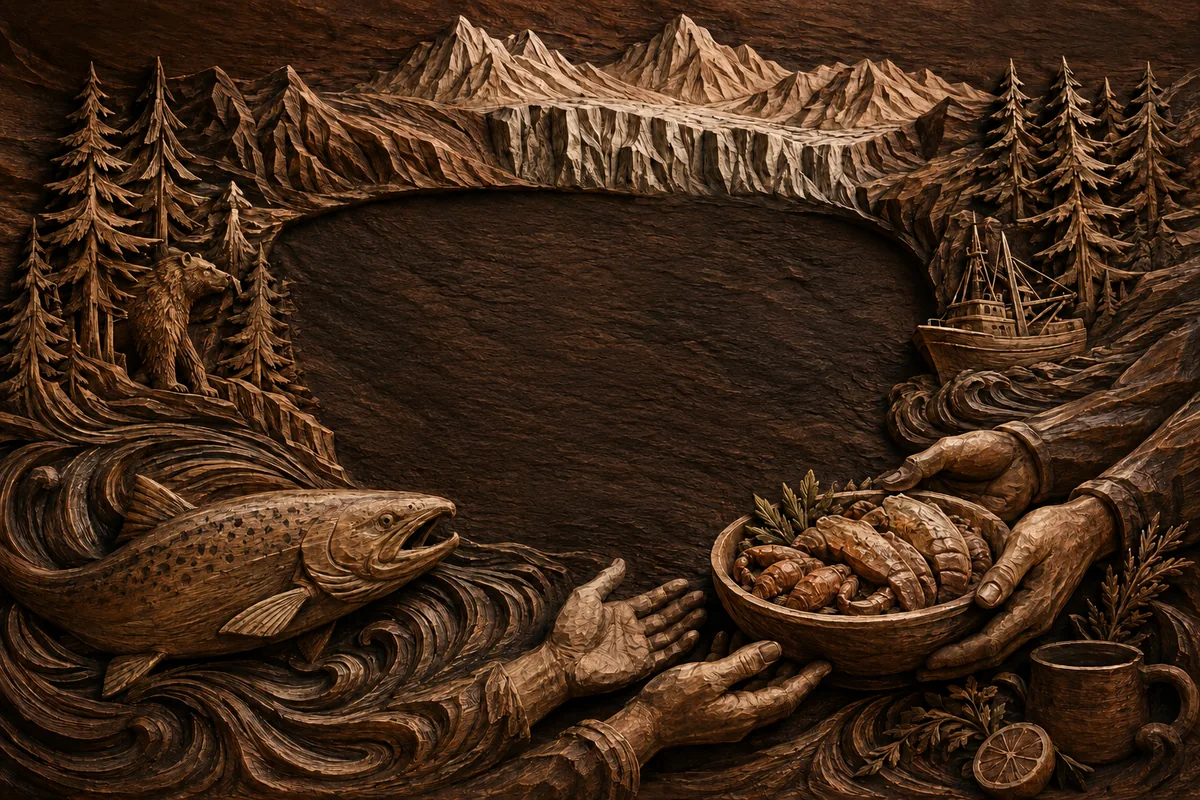
Concept illustration: a carved wooden landscape connects mountains, a fishing boat, salmon, and hands passing a plate.

Creative judgment.
Production discipline.

From the first conversation
to the team, the schedule,
and the audience.

25+

A program built from zero

I built Microsoft’s podcast program into a portfolio of more than 25 shows, defining formats, editorial standards, and a shared production and distribution system.

2M+ listens and views across the portfolio, with 78% average completion.

15+

People making better work

I hired, coached, and developed direct reports while leading a multidisciplinary team of producers, editors, writers, designers, and audio engineers. I gave people clear creative direction, specific feedback, and opportunities to take ownership of their work.

People management, individual coaching, and career development.

$1.6M+

The production behind the story

I owned the annual podcast/content production budget, negotiated with studios and agencies, and managed capacity and delivery across more than 15 concurrent podcast productions.

Budgets, partners, schedules, and standards.

A reason to return

Programming and distribution

Guests rarely had time to write promotional posts, so I gave them ready-to-publish episode kits – show notes, images, audiograms, and social copy. Both guests and show teams could share each release without starting from a blank page. I also built quarterly reports from each platform’s per-show metrics for partner teams to review.

A life beyond the studio

Kitchens, boats, and Alaska

I worked grill and prep in Boulder restaurants, including a period as assistant kitchen manager. The cooking has continued over the years in my own kitchen, with the help of Wüsthof, Scanpan, and All-Clad. My personal boating experience spans kayaks and canoes, Chesapeake Bay boating and fishing, and piloting a river houseboat. Several Alaska visits, an RV trip through small towns, and beach camping in Homer are part of my connection to the place.

How I’d build the channel

For Nobody Wrote Down the Recipe, I’d build the title and thumbnail around the learner’s first solo attempt and the teacher coming to dinner. On YouTube, I’d look at who clicks, where people leave, and whether they return for another film. If viewers leave before the cooking begins, I’d revisit the opening’s promise and pacing. A recurring slate needs a release cadence the crew and budget can sustain. Short-form cuts would invite viewers into the full story; paid versions would have their own hook and call to action, judged against the campaign’s goal.

For the stories ahead

I’m interested in what care for a fishery means in someone’s daily choices – what they keep, how they cook, what they share, and what they pass on. That is a conversation I would want to have before deciding what the film should say.

Read the full résumé

05 / Take a closer look

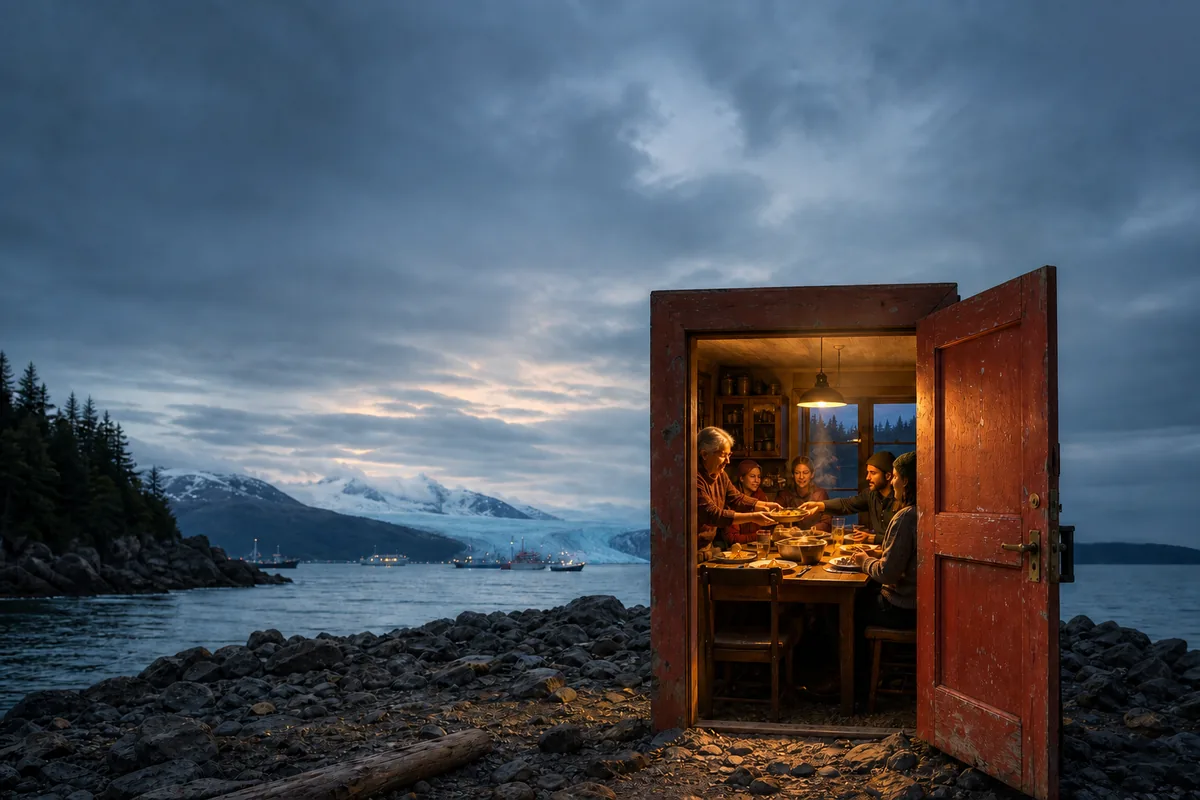
Concept illustration: an open doorway on an Alaskan shore leads into a warmly lit kitchen where people share a meal.

A few things
to take with you.

The experience, the approach,
and the stories I’d like to explore.

The next conversation

Let’s see where
the story takes us.

I’d love to talk about the people,
the food, and the films ahead.

Get in touch